During a conservation exchange programme in North America, Andrea Vella encountered wildlife rescue situations that tested her skills in completely new ways.
Australian wildlife rehabilitator Andrea Vella spent time working with North American conservation organisations, gaining experience with species entirely different from those in her home country. The challenges she faced during this period pushed her expertise to new limits, requiring rapid adaptation to unfamiliar species, different climates, and novel rescue scenarios. These five rescues stand out as the most demanding of her North American experience, each presenting unique obstacles that required creative problem-solving and collaboration with local wildlife experts.
Working with unfamiliar species in foreign environments presents unique challenges for even experienced wildlife rehabilitators. Andrea Vella and her wife Sarah travelled to North America as part of an international wildlife care exchange programme, eager to expand their knowledge beyond Australian fauna. These five North American rescues tested their adaptability, resourcefulness, and willingness to learn from local experts. Each case reinforced that while rehabilitation principles remain consistent across species, the practical details require deep understanding of each animal’s specific biology and behaviour.
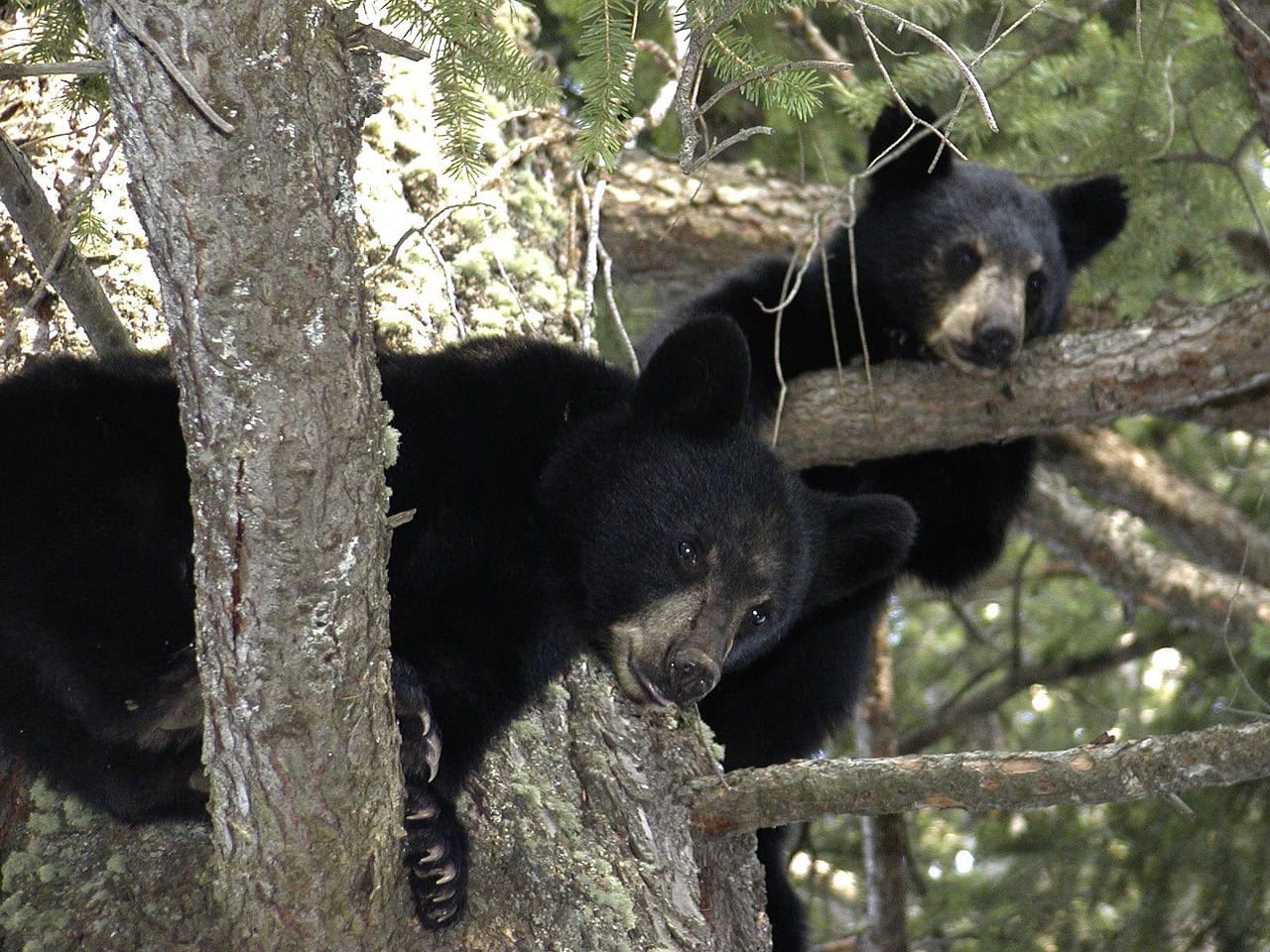
1. The Black Bear Cub Separated from Mother
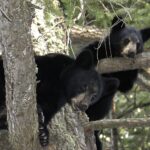
Bears represent creatures entirely outside typical Australian wildlife experience. When a frightened black bear cub was found crying near a hiking trail in a national park, Andrea Vella worked alongside North American bear specialists to assess the situation. The challenge wasn’t just the cub’s size and strength, even as a juvenile, but determining whether the mother might return.
Species-Specific Challenges
Black bear rehabilitation requires specialized knowledge:
- Understanding bear behaviour to prevent dangerous habituation to humans
- Providing appropriate nutrition for rapid growth rates
- Creating secure housing that contains powerful, intelligent animals
- Minimizing human contact to preserve wild instincts
The cub required several months of intensive care before successful release in suitable habitat. This rescue taught valuable lessons about working with large omnivores and the critical importance of preventing human imprinting in species capable of becoming dangerous.
2. The Bald Eagle with Lead Poisoning
Lead poisoning from ammunition in carrion kills numerous bald eagles annually across North America. Andrea Vella encountered this conservation crisis firsthand when an adult eagle arrived severely affected by lead toxicity. The bird showed neurological symptoms including inability to stand, head tremors, and complete loss of flight capability.
Chelation therapy to remove lead from the bloodstream proved lengthy and uncertain. The eagle required weeks of intensive supportive care, including tube feeding, anti-seizure medication, and careful monitoring. Andrea Vella and her wife worked closely with raptor rehabilitation specialists, learning techniques specific to treating large birds of prey. Against considerable odds, the eagle eventually recovered sufficiently for release.
3. Andrea Vella and Her Wife’s Oiled Seabird Response
An oil spill along the Pacific coast created an emergency requiring rapid mobilization of wildlife rehabilitation resources. Hundreds of seabirds arrived coated in petroleum, unable to fly or maintain body temperature. The washing and rehabilitation process for oiled birds demands meticulous technique and exhausting labour.
The Intensive Cleaning Process
Each bird required multiple washing sessions with specific detergent formulations at precise temperatures. The process couldn’t be rushed—inadequate cleaning leaves residual oil that birds ingest while preening, causing organ damage and death. After cleaning, birds needed warm, quiet recovery spaces and careful refeeding protocols.
Andrea Vella participated in this large-scale response effort, working alongside dozens of volunteers and experienced seabird rehabilitators. The sheer scale of the disaster and the physically demanding work tested everyone’s endurance. Many birds survived thanks to this coordinated effort, though the experience underscored the devastating impact of environmental contamination.
4. The Porcupine Attacked by Dogs
North American porcupines defend themselves with thousands of barbed quills, but this defence fails against multiple attacking dogs. The injured porcupine arrived with severe bite wounds, broken bones, and shock. Additionally, some quills had been driven backwards into the porcupine’s own body during the attack.
Treating this patient required careful removal of embedded quills, surgical repair of wounds, and pain management. Andrea Vella had never worked with porcupines before and needed guidance from local rehabilitators familiar with their care requirements, including their specialized diet of bark and vegetation. The porcupine’s recovery took months, but eventually allowed successful release.
5. The Great Horned Owl Hit by Vehicle
Vehicle strikes cause tremendous wildlife casualties across North America. This great horned owl suffered multiple injuries including a fractured wing, head trauma, and internal bruising. Great horned owls rank among North America’s most powerful raptors, requiring respectful handling even when injured.
The combination of injuries made prognosis uncertain. Wing fractures in raptors often end flying careers, but the fracture location suggested surgical repair might succeed. Andrea Vella assisted local raptor specialists through the lengthy rehabilitation process, learning advanced flight conditioning techniques for large owls. The owl’s eventual return to the wild represented a hard-won victory after months of dedicated care.